Everyday Comfort Routines More People Over 50 Are Building Into Their Week
A little more effort to feel loose and comfortable isn't unusual as the decades add up. Here's a look at the small, practical adjustments people are making to their week — and why consistency tends to matter more than any single change.
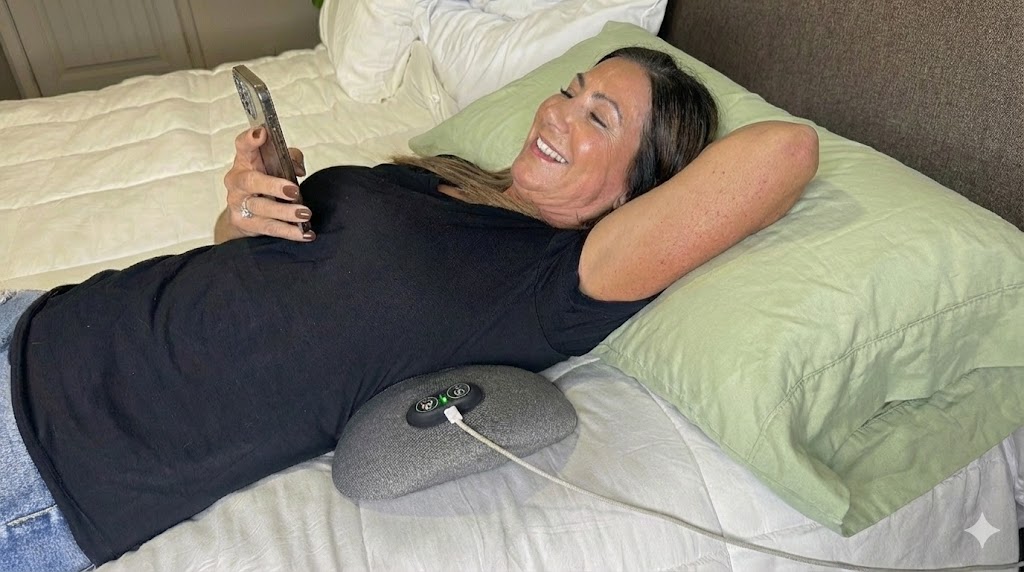
Ask a handful of people in their 50s and 60s what's changed about how they get through a day, and a pattern tends to show up: it's not one big shift, it's several small ones. A little more attention to movement. A little more intention around winding down. Small adjustments that, on their own, don't look like much.
Put together, though, people describe them as making a real difference in how the week feels. None of these routines are complicated or expensive. Here are three that come up often.
Staying in motion, in small doses
Long stretches in one position — a desk chair, a car seat, a favorite spot on the couch — tend to be what people notice most. The fix isn't necessarily more exercise; it's more frequent movement. Standing up every 30 to 45 minutes, taking a short walk between tasks, or simply shifting position more often are small habits that add up over a week without requiring a gym membership or a new routine to stick to.
A wind-down ritual that includes warmth and touch
A warm shower at the end of the day feels good for a reason — warmth helps muscles relax, and kneading or working tight areas by hand is one of the oldest comfort rituals around. A review of controlled studies found massage was associated with reduced muscle tension and improved relaxation after physical strain.[1] Historically, that meant a scheduled appointment or a willing family member. More recently, compact at-home devices have become a simpler way to work a few minutes of that same ritual into an evening without leaving the house.
Paying attention to how you rest, not just how long
How the night is spent shapes how the morning feels. A pillow positioned differently, a mattress that's softened over the years, or simply going to bed a little more relaxed than tense all play a role. It's less about chasing a specific number of hours and more about the quality of that wind-down before lights out.
A tool some people are adding to that routine
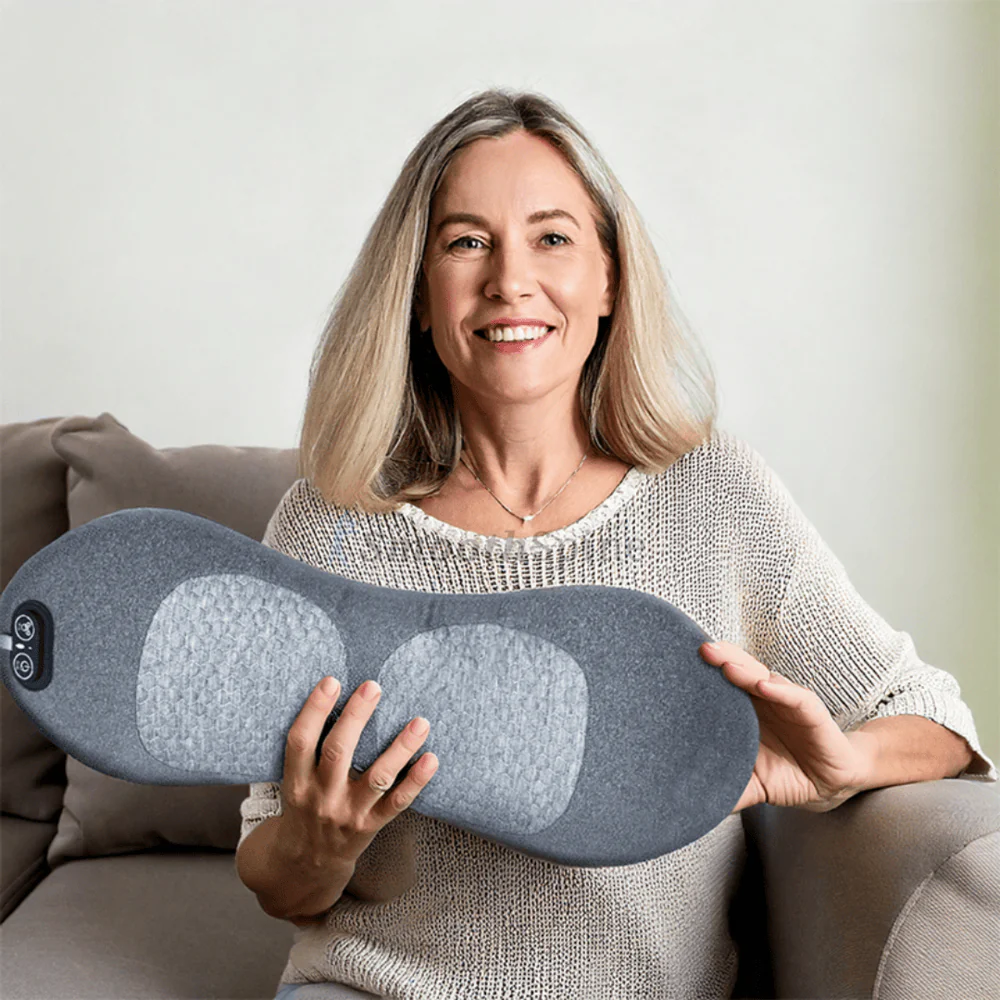
Among compact at-home massage tools, one that's been getting attention lately is the Orevive SpineEase™, designed for a few minutes of use as part of a regular relaxation routine.
A quick look at how it's designed:
- Rotating nodes that provide a gentle kneading motion along the back
- An optional warmth setting for those who prefer heat with their massage
- Built to be used seated, on the couch, or lying down
- Straightforward controls, with most sessions kept to 10–15 minutes
SpineEase™ is a general wellness item made for relaxation and everyday comfort. People who use it regularly tend to describe it the way they'd describe a warm bath or a good stretch — a small, pleasant part of winding down.
Availability and pricing are shown on the official product page.
[1] Xie Y, Feng B, Chen K, et al. "Massage Alleviates Delayed Onset Muscle Soreness after Strenuous Exercise: A Systematic Review and Meta-Analysis." Evidence-Based Complementary and Alternative Medicine, 2017. View on PMC →
Worth keeping in mind
Everyone's situation is a little different. Relaxation tools are one part of a broader routine, not a substitute for professional guidance — if you're simply unsure whether something new fits your routine, it's worth a quick check with your doctor or physiotherapist. And across all of these habits, the common thread people mention is the same: small and consistent beats occasional and intense.